TAI CHI
FOR HEALTH, HEALING AND PERFORMANCE
“If you want to enjoy a long and prosperous life, you will need to be physically healthy, emotionally stable and mentally sound. Tai Chi provides you with the necessary tools and more.” Ron NaVarre
ABOUT THE CLASS
No results were found
-
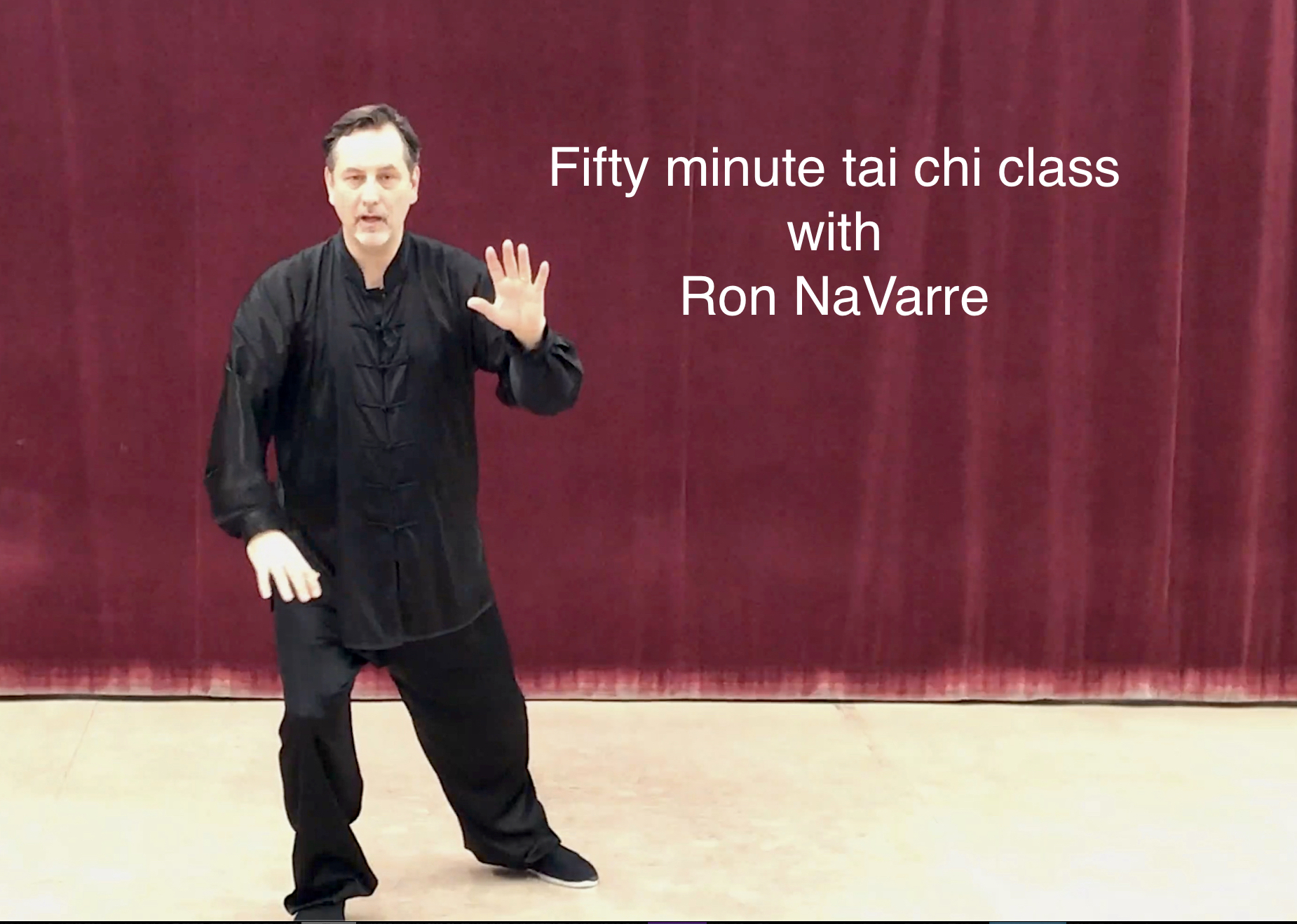
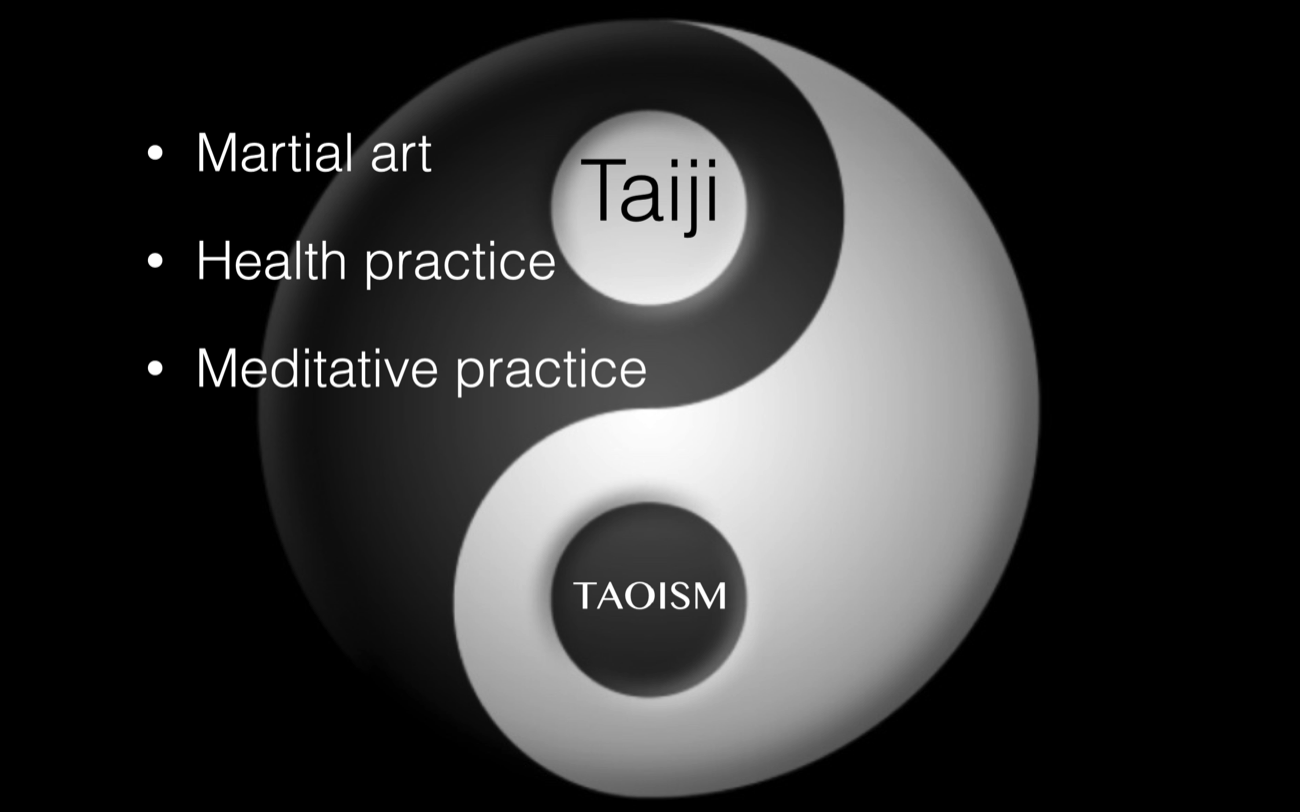
What is tai chi?Tai chi is a Chinese martial art, health and meditation practice based on the Taoist principles of balance and harmony. Tai chi practice is a gentle art based on relaxation, awareness, and intention. Through the physical practice the student develops a greater understanding of how focus, intention, breathing and effort can affect and create a neutral state of being.
-
Is tai chi difficult to learn?Learning tai chi is an investment of time, effort and energy. It teaches one to be patient, to tune in and to listen to the action and flow of the present moment. It requires repetition and consistent practice to understand, to apply and to master. Tai chi is more than a form of exercise and a martial art, it is a profound skill set that can be applied to all of life.
Approach the learning process with gentle curiosity.
Your first lesson in tai chi is a lesson in frustration. Learning tai chi is akin to learning a foreign language, in the beginning it is a slow, tedious process and is often awkward and frustrating. The language of tai chi is a non-verbal language of the body-mind, It is a language of sensing, feeling and being. This can be very frustrating for intellectual types who tend to live more in the realm of thought and concept than in the body, and for people who need to know "the what and the why" before they allow themselves to commit to experience. It is an immersive experience that requires one to open all of the senses in order to keep up and go with the flow of the class. Some students find this approach comforting, others find it frustrating and burn with questions such as, "what is this? and why do we do that? and what does this mean?"
Frustration is an opportunity not an obstacle.
It is an opportunity to observe your habitual nature, how you react to your unfulfilled expectations of self and performance. This is not easy or comfortable for most people and as such they often resist the opportunity to see themselves more clearly. When i ask a student why they are frustrated they will often reply; "because I don't understand what I am doing?" or,”because Im not good at this" or "because I feel awkward and I don't like that feeling". Why would you expect to be good at something you have never done before? Were you good at riding a bike the first time? Did you feel adept and comfortable your first day of work or school? The fact is, no one feels confident and secure in the beginning, that is a given. Accept this and allow your self to feel uncomfortable for a while without becoming self-indulgent and you will begin to understand the true value of patience. Patience is the cornerstone of self-mastery and the foundation of self-cultivation. It is an exercise in self-acceptance, perhaps the greatest lesson tai chi has to offer. -
What is the overall goal for the first semester?The overall goal for the student in the first semester is to learn:
- How to breathe and focus correctly.
- How to ground and center yourself quickly.
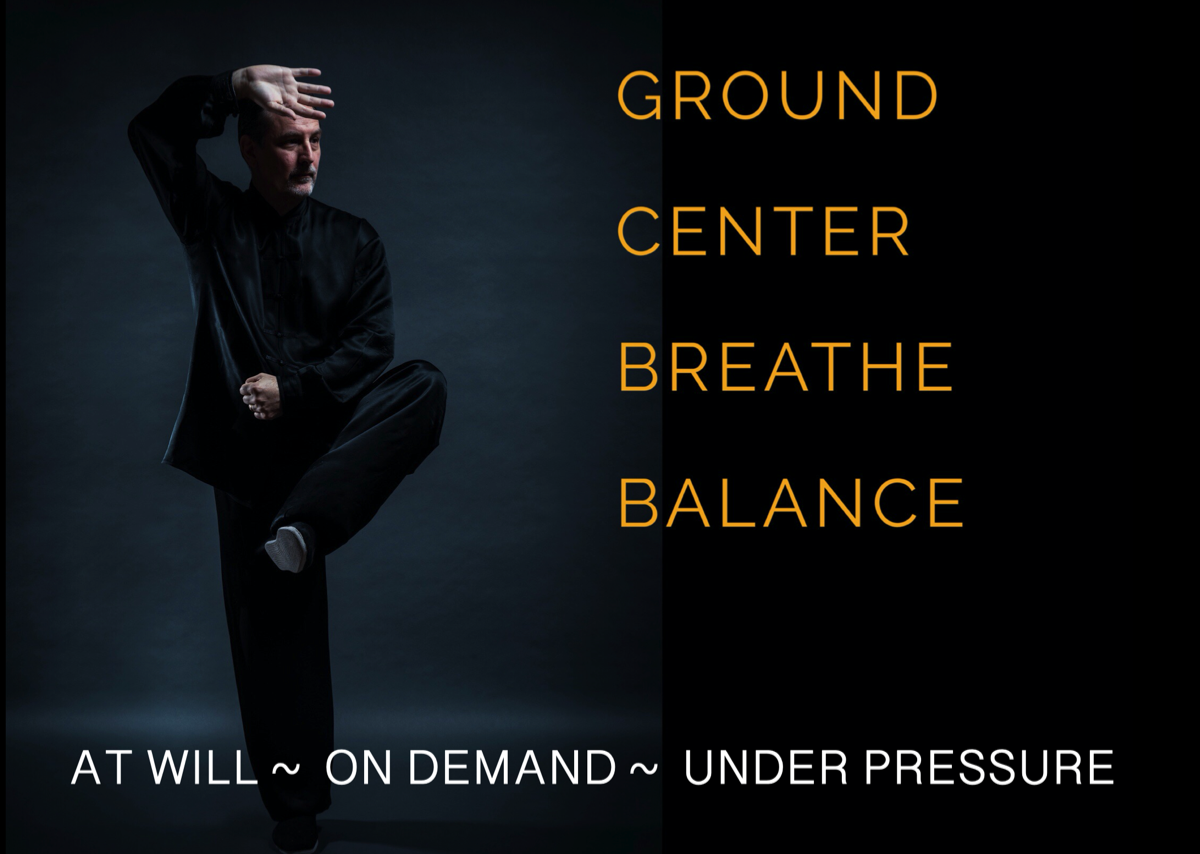
- How to balance yourself physically, mentally and emotionally.
- How to retain and recall information/experience using sense memory.
-
What are the ground rules?Ground Rules
All students must bow upon entering and exiting the physical classroom. The bow signifies your respect for the teacher, your fellow students and for the learning process.
Wear loose, comfortable clothing you can stretch and breathe in without restriction. Athletic shoes, socks or form fitting slippers are acceptable footwear.
Inform your instructor if you have any physical or medical issues that might affect your training before the class begins.
Silence all cell phones before class.
Never correct a fellow student unless instructed by the teacher.
OPTIONAL:
Brain Dump before the class begins. Write down in a notebook or on your computer any thoughts, feelings, issues or agendas you are currently obsessing about and do not want to forget. Empty the contents of your brain onto paper. This will help you focus on the task at hand with less distraction. -
Are there any special vocabulary terms?
YES, AND HERE THEY ARE
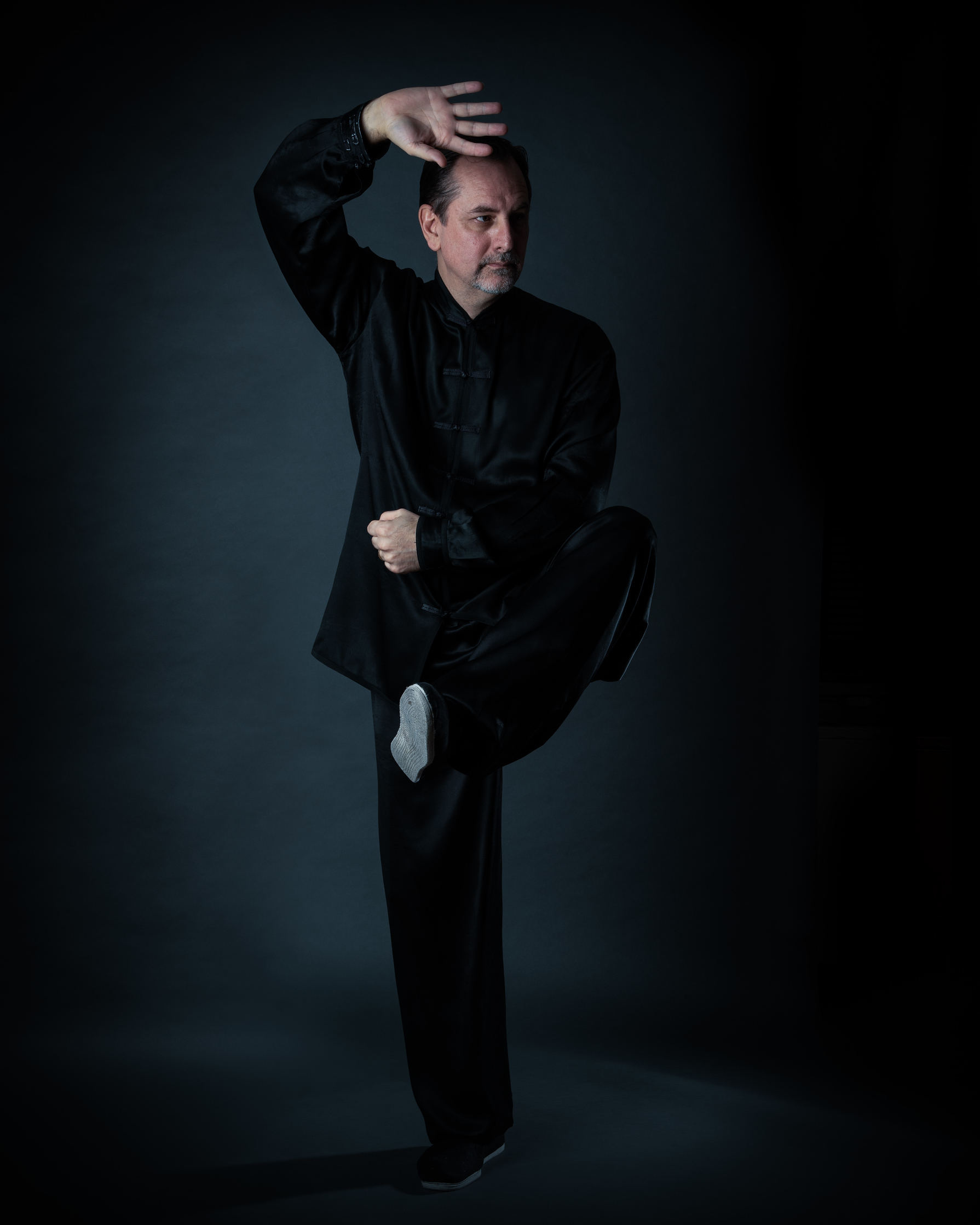
Tai Chi: roughly translates as Grand Ultimate Terminus or Supreme Ultimate Way. Tai chi as a philosophy dates back some three thousand years. Tai chi as a martial art is only about four hundred years old.
Qi Qong: Qi (breath energy) Qong (training), also known as Chinese yoga, is an ancient Chinese health and meditation practice as well as the foundation for internal martial arts such as Tai Chi Chuan.
Wu Chi: Before separation, the neutral state of total acceptance. Listening without judgement.
Dan Tien: Center of energy point. There are three major dan tiens in our practice. The upper dan tien located in the center of the forehead (third eye). The middle dan tien located in the center of the chest (heart center) and the lower dan tien located about 3 centimeters below the belly button. The lower dan tien is the main center and is used as the object of attention for meditation in the beginning stages of tai chi and chi qong energy cultivation.
Sinking: to bend the knees and drop ones center of gravity into the ground.
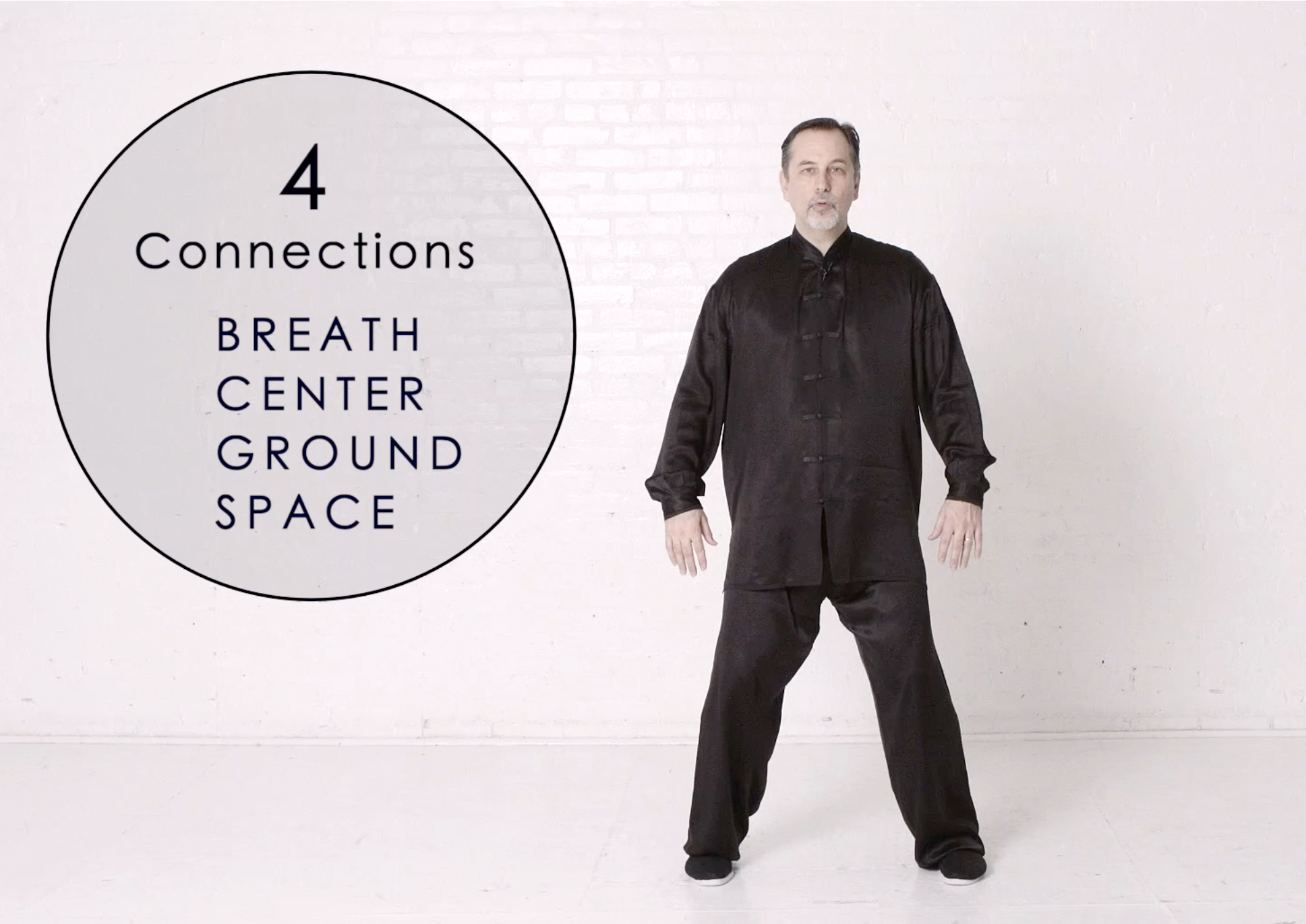
Grounding: to connect to the earth/ground by dropping the mind/awareness into your root. Grounding is a continuous downward flow of awareness and intention.
Centering: physically aligning the head, shoulders, and hips over the center of the foot. Being aware of ones center of energy (dan tien) and gravity.Centering and anchoring the mental body to the physical body with breath awareness.
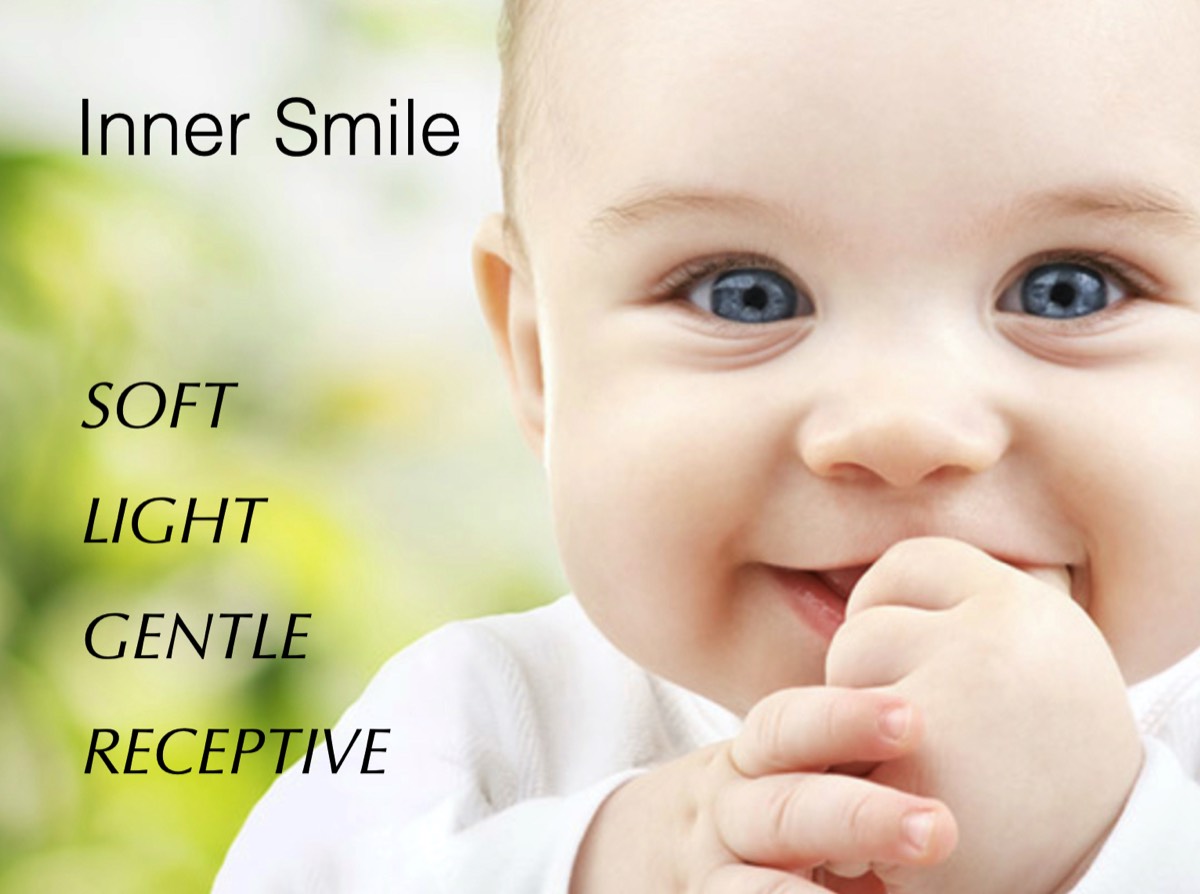
Inner Smile: a soft focus in the eyes, to observe lightly, to be receptive with ones focus.
Good Breath: a full diaphragmatic breath with an inner smile.
Sung: to sink and expand simultaneously. To drop into your root and fill the space with awareness and intention.
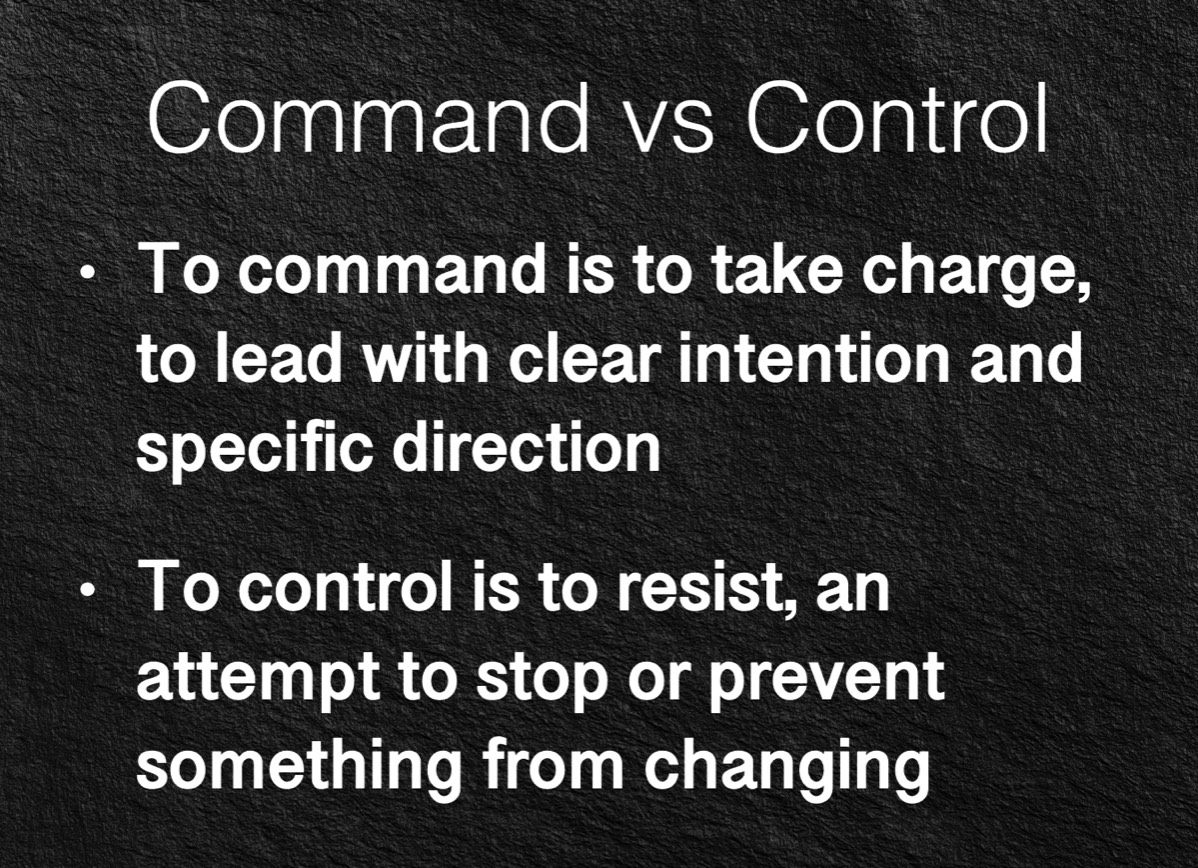
Command: to lead/direct with clear intention.
Listen: to observe with all of ones senses without judgment or expectation. The absence of inner dialogue.
Chakra: energy center/vortex. There are seven main chakras: Crown (top of head), third eye (middle of forehead), throat, heart (center of chest), solar plexus ( just below the sternum), Naval (belly button) and root (bottom of the pelvic bowel).
Ron NaVarre is the founder of Stress Defense, Inc. He has taught seminars on stress management, self-healing, effective communication and peak performance training to fortune 500 companies, business professionals, and performers. As an actor, dancer, singer, director and choreographer, Ron has worked on Broadway, Off-Broadway, Television, Commercials, and Industrial Theater. He has taught at The Lee Strasberg Theater and Film Institute, Fordham University at Lincoln Center, New York University, and the Pacific Institute of Chinese Medicine. In the healing arts, Ron has taught mindfulness meditation, yoga, tai chi, qiqong, and Rei Qong for over forty years. For the last fifteen years he has been working with cancer patients and post-surgical patients as an energy therapist and spiritual counselor. He is also the founder of the Sovereign Soul Song Collective. A spiritual community dedicated to health, healing and human development.
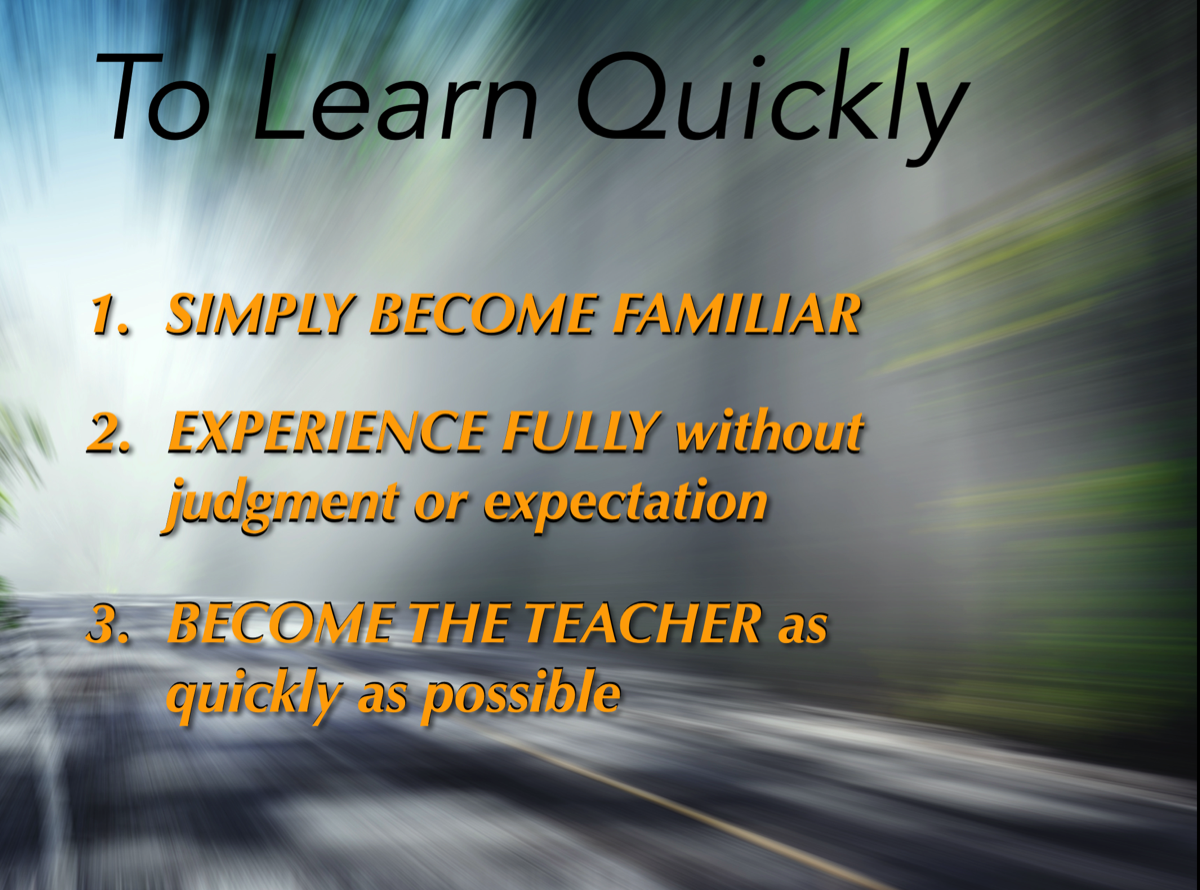
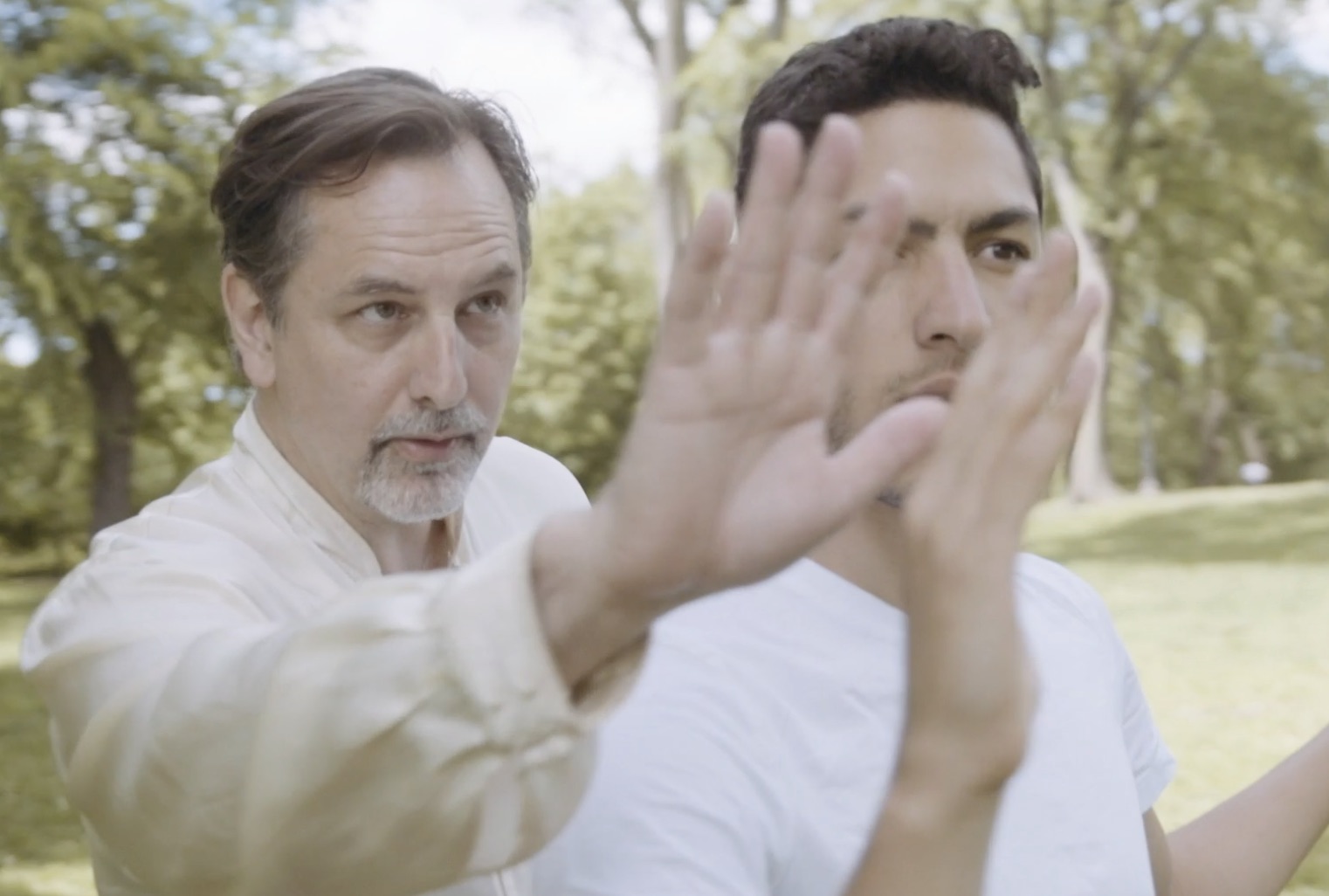
LEARN FASTER AND MORE EFFICIENTLY WITH THREE SIMPLE RULES
Click the play button to watch the video.
Be prepared to write and make notes.
YANG STYLE 13
FOR HEALTH, HEALING AND PERFORMANCE
- Apply the 3 Rules for Learning Effectively as you watch the video.
- Observe the form as a character study. What are the qualities of the character?
YANG STYLE
ADVANCED FORMS FOR LEVEL 2
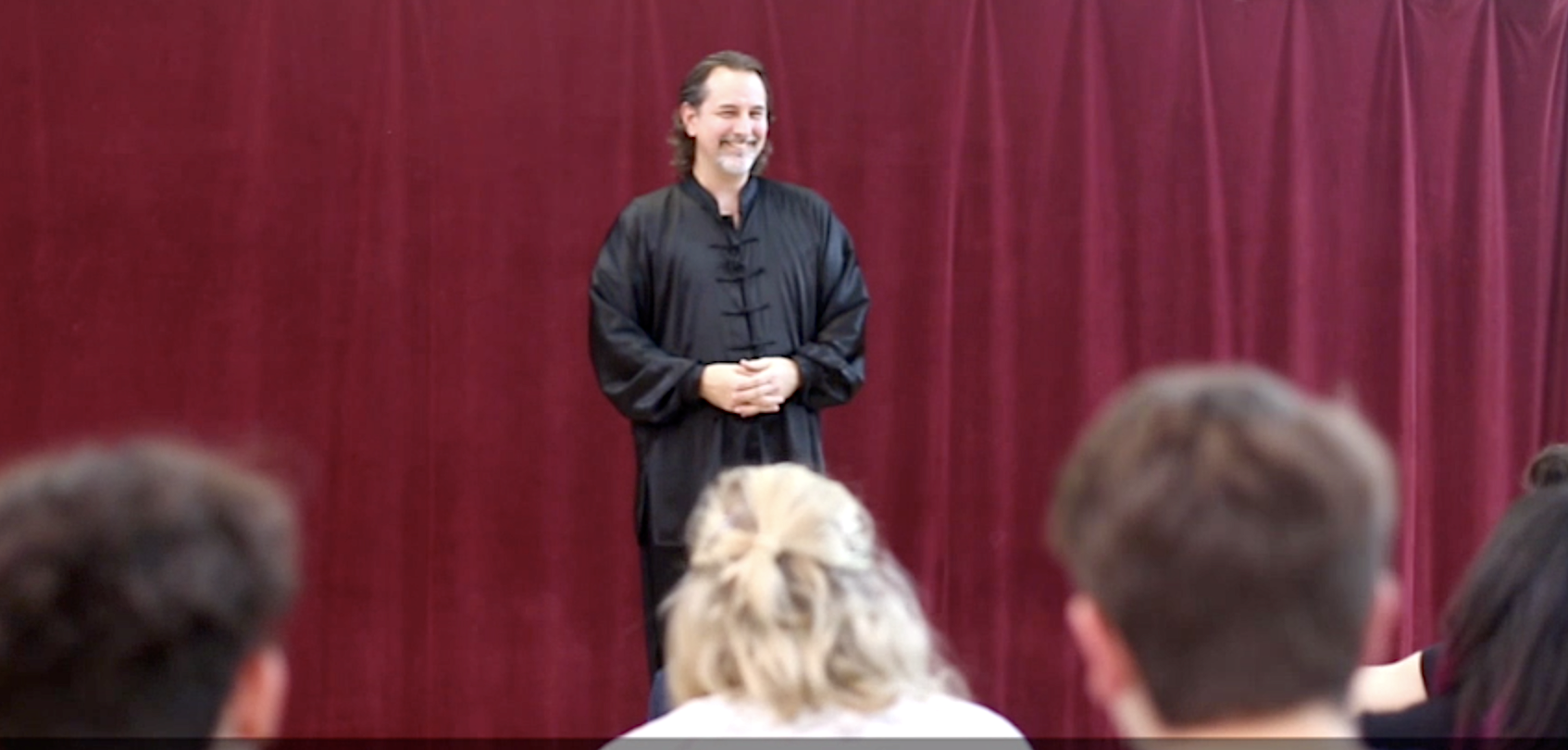
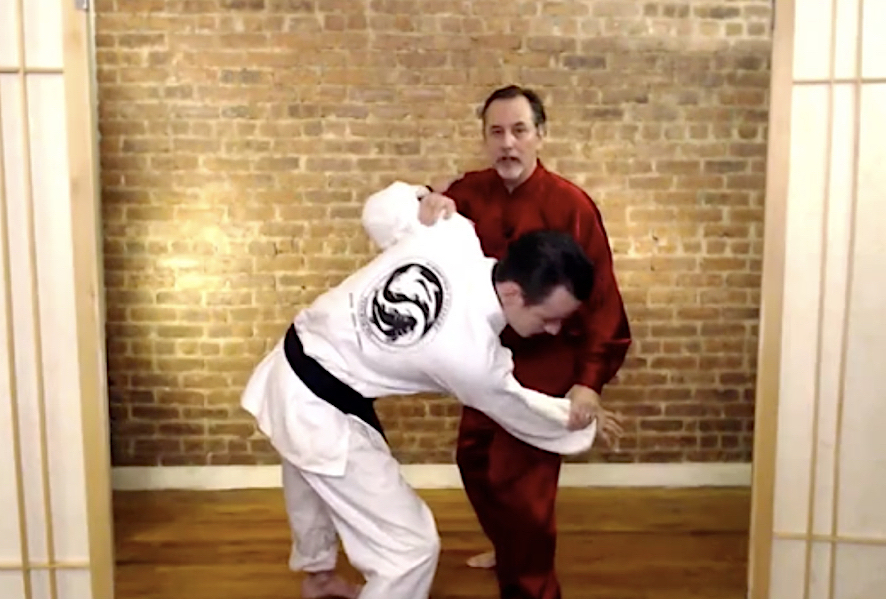
APPLICATIONS VIDEO
The martial application of each move in the first 13
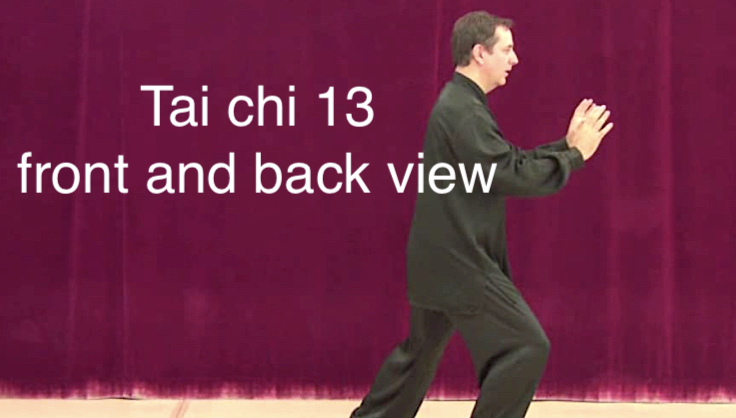
Tai chi 13
Front and back views
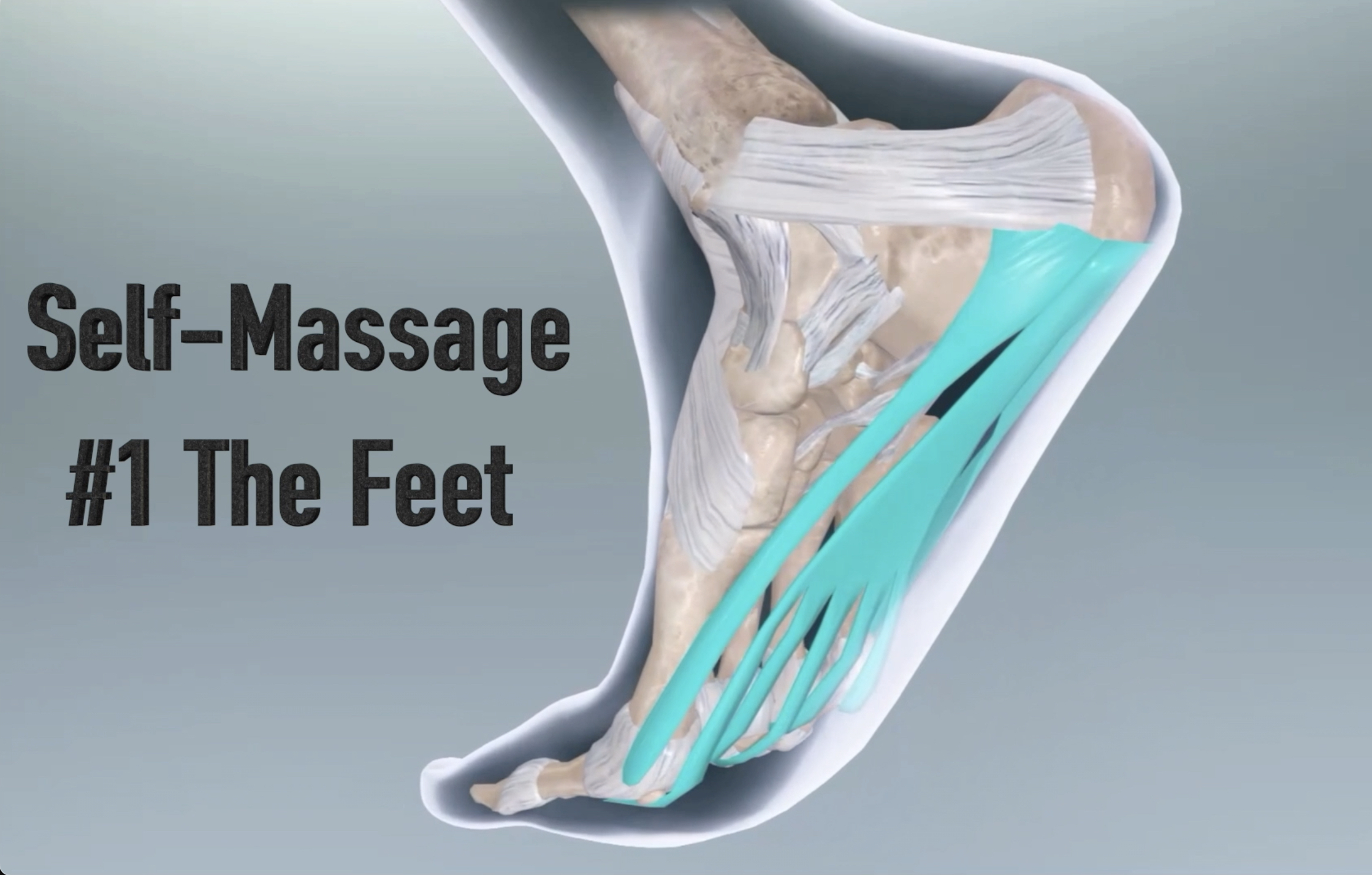
SELF-MASSAGE
#1 THE FEET
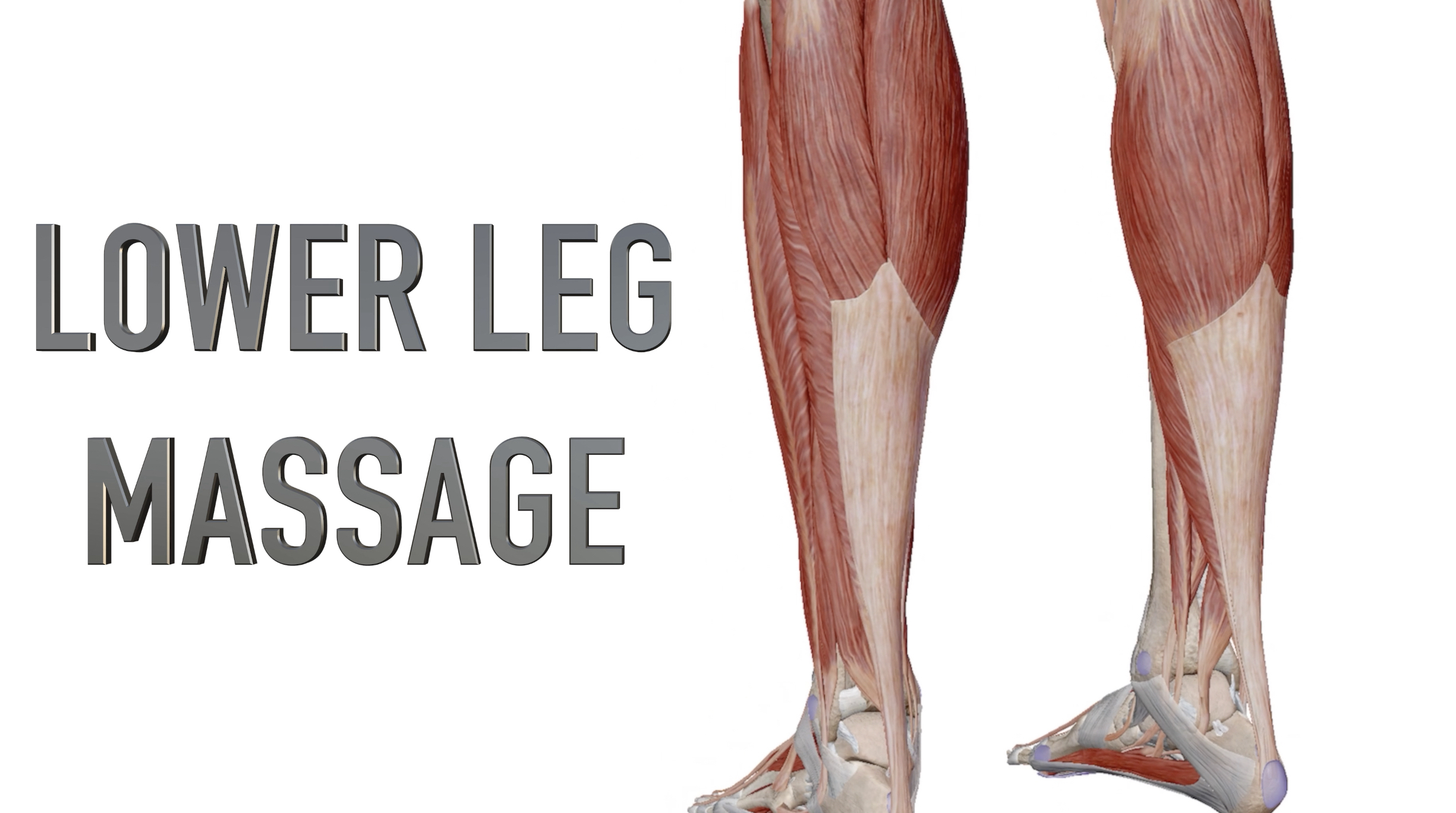
SELF-MASSAGE
#2 THE LOWER LEG
POETRY IN MOTION
LECTURES
AND
AUDIO STUDY AIDS
PREVIEW SAMPLE OF FULL CLASS